Place the camera
State the shot size and viewing angle before adding mood words. Eye-level, low-angle, and overhead framing tell different stories.
 Ruxa.ai
Atmosphere, scale, and a moment worth holding. Build a scene before you build a sequence.
 IN FOCUS / MOTION
Choose the moment the viewer should stay with.
THE CREATIVE BRIEF
Define one subject, one place, and one change. A clear relationship between foreground and background gives the frame depth without adding more events.
State the shot size and viewing angle before adding mood words. Eye-level, low-angle, and overhead framing tell different stories.
For video, a slow push or a crossing subject is a useful starting point. Keep the setting stable while the key action unfolds.
Check where the viewer looks first, what carries the motion, and which background details distract from the scene.
AN IDEA YOU CAN USE
 VIDEO TEMPLATE
Describe one continuous slow push-in with a stable subject and a small atmospheric change.
Make the brief yoursVIDEO TEMPLATEHold a close view of a dragonfly and let one dew bead carry the movement. Plan the subject, camera, action and ending separately.
Make the brief yours VIDEO TEMPLATE
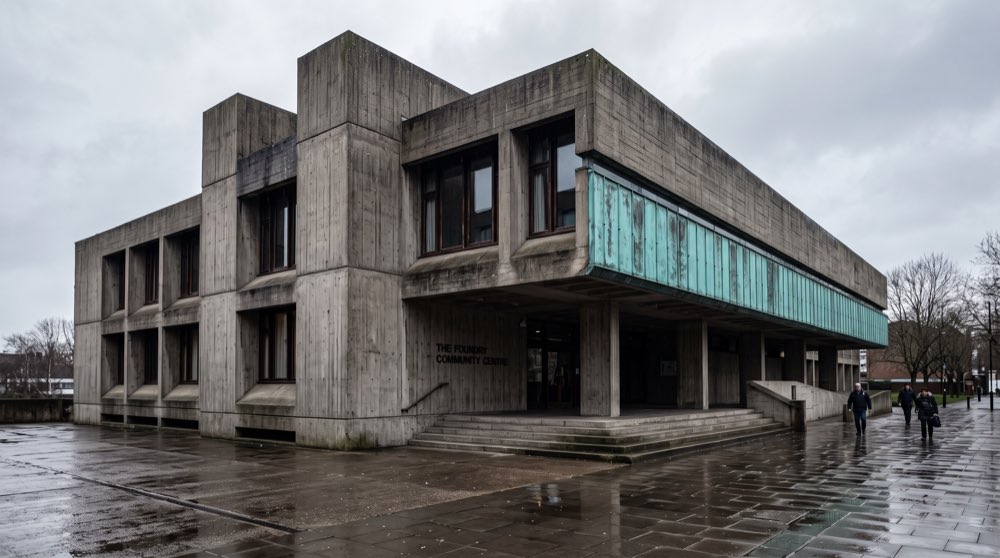
Let one pedestrian cross a fixed street view. Keep the route, background landmarks and final position easy to read.
Make the brief yoursTHE VISUAL LIBRARY
Curated Ruxa visuals and original starting prompts. These are creative directions; generated results will vary.
MAKE IT WITH INTENTION
Separate subject motion from camera motion and start a coherent short shot from text.
Use landmarks in street and interior footage to describe action, viewpoint and framing separately, then judge each in the result.
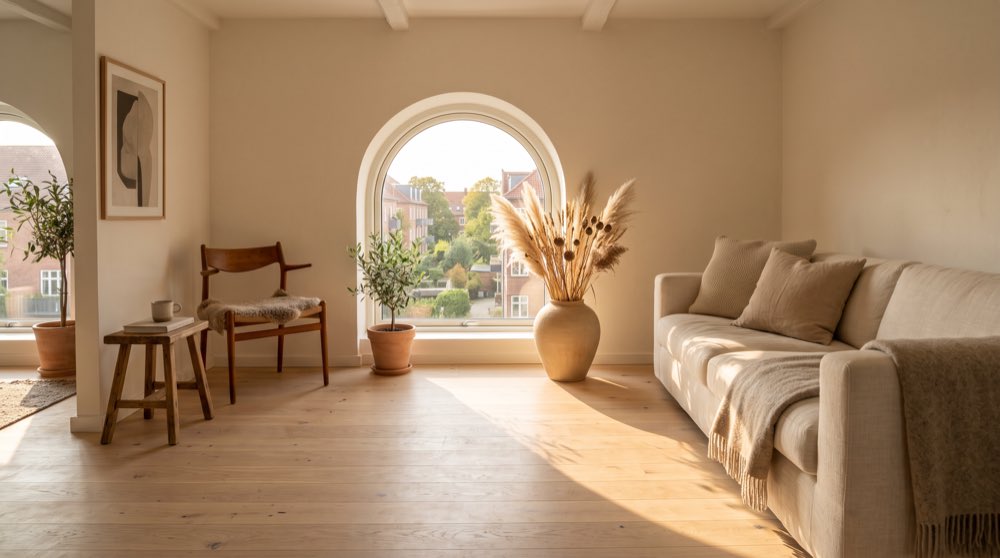
Write an interior lateral move in four sentences, separate stable elements from allowed changes, and review spatial continuity from beginning to end.