Who is moving? Separate subject and camera motion
Use landmarks in street and interior footage to describe action, viewpoint and framing separately, then judge each in the result.
Start the guide
Before you begin
Choose one person, a route and a background landmark. Play the real studies below before writing your own brief. The analysis is visual observation; this original example does not reconstruct source settings. The workspace entry uses text-to-video.
A brief that separates where the person goes, how the camera moves and what stays in frame, with a review method for each.
- 01
Give the person and camera separate verbs
“Follow the person moving right” mixes two decisions. Write “the person walks left to right past the doorway,” then “the camera stays still.” In the neon street study, first describe only the visible change in the person. A larger figure alone does not prove a camera push; the person may be approaching. Keep the interpretation tentative when background evidence is insufficient.
CHECK THISWatch the neon street subjectThe brief has separate sentences with the person and the camera as their subjects.
- 02
Find a landmark independent of the person
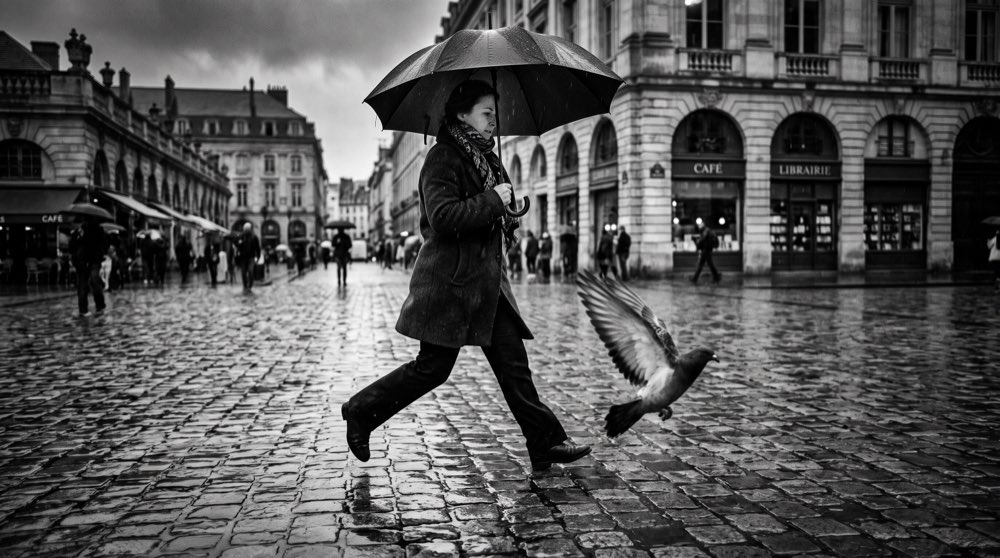
In the rainy crossing study, use the pavement edge or background architecture to judge the pedestrian’s displacement. Compare the beginning, middle and end: how does the person shift relative to that landmark, and does the landmark also shift within the frame? This helps separate subject motion from viewpoint change. It is visual inspection, not automated motion measurement; avoid conclusions from one frame when landmarks are obscured.
CHECK THISWatch the crossing and find a landmarkYou can name a landmark and describe the person’s and background’s changes separately.
- 03
Use framing to clarify the intended view
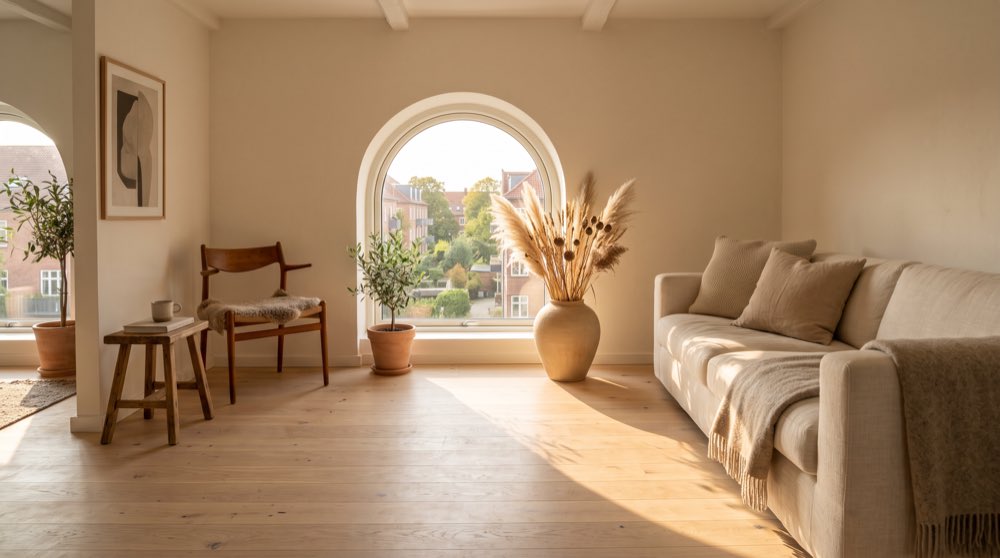
A locked medium-wide view lets a person cross the frame; side tracking can keep the person near one position while the background passes behind. Choose one, then name what should remain visible, such as feet and a doorway. The interior study offers a different comparison: furnishings stay still while a changing viewpoint describes the room. An architectural setting does not make every camera move an orbit.
CHECK THISWatch the interior viewpoint changeOne main camera approach is specified, and the framing can contain the action you need to inspect.
- 04
Describe an ending you can actually observe
“End cinematically” is difficult to test. “The person approaches the right edge, the doorway stays in place, and both feet remain visible” gives you observable checks. This ending is a text intention, not an uploaded last frame or an exact duration guarantee. Edit the street template’s person, camera, action and ending. Bringing it into creation only fills a draft; review current settings and estimated credits before generating.
CHECK THISEdit the street-walk briefThe ending names a position or visibility condition without depending on unavailable frame or duration controls.
- 05
Review the whole clip and revise one clause
Play the whole result before checking direction, landmark behaviour and final composition. If the person moves correctly but the view drifts, clarify the camera clause before changing the person or setting. If clothing or foot structure changes, record a continuity issue instead. Reuse the input from Creations, keep the clauses that worked, and revise the failed one so the next result answers a clear question.
CHECK THISReview video work and reuse its inputYou can classify the problem as subject, camera or continuity and name one clause to revise.
What to check and change
The camera moves but the person does not
Give the person a displacement relative to the background: walk from the left of the doorway to its right with visible foot contact. Keep the locked-camera sentence and avoid adding “follow” to the action clause.
A constant subject size is mistaken for no motion
Check whether landmarks pass behind the person. Side tracking can keep subject size nearly constant; judge relative position and route against the brief instead of using subject scale alone.
A strong opening ends in the wrong direction
Write the travel direction and ending position as one coherent path, removing secondary actions such as a turn midway through. Judge the full playback; an attractive first frame is not enough to accept the clip.
Compare these real studies
Play each study, then return to the checks. These references support visual observation; the lesson brief is a new creative suggestion, not the source generation record.
Keep going in this direction
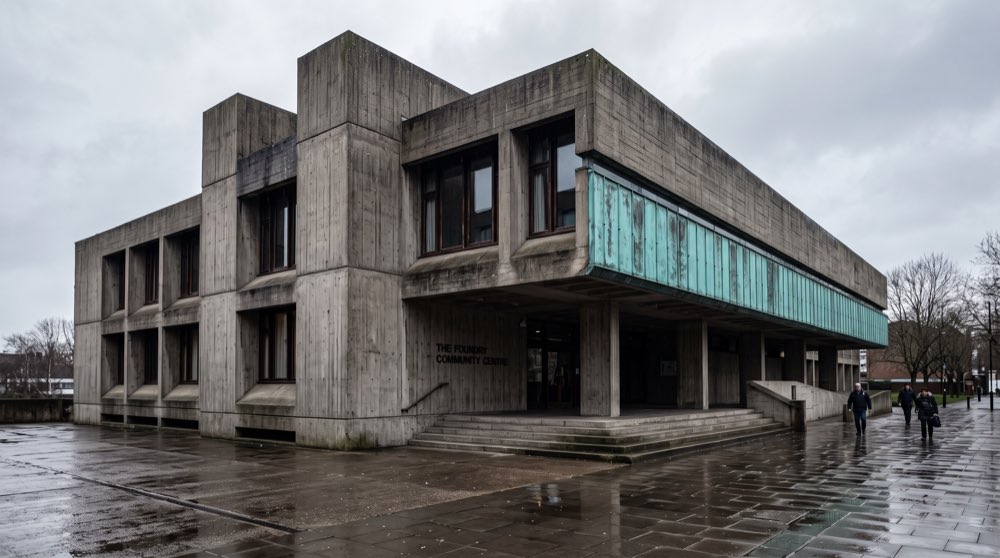 VIDEO
VIDEOWrite one action as one continuous shot
Separate subject motion from camera motion and start a coherent short shot from text.
 VIDEO
VIDEOFrom a shot brief to a result you can inspect
Write an interior lateral move in four sentences, separate stable elements from allowed changes, and review spatial continuity from beginning to end.