From a shot brief to a result you can inspect
Write an interior lateral move in four sentences, separate stable elements from allowed changes, and review spatial continuity from beginning to end.
Start the guide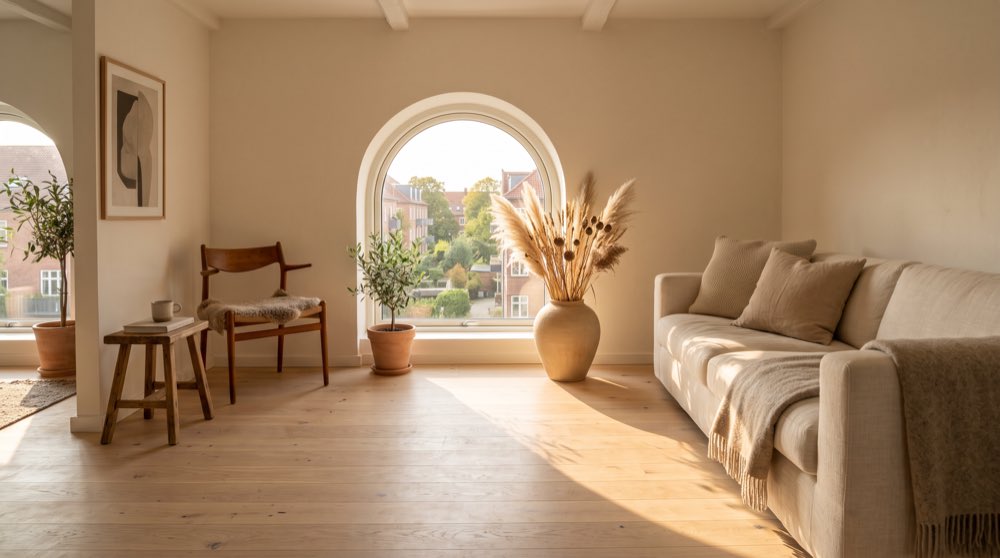
Before you begin
Prepare four sentences: subject, camera, main change and ending. The real interior study illustrates natural light and spatial depth; lateral movement is this lesson’s original brief, not recovered source settings. Bring the text into Veo and use the settings currently available in the workspace.
A concise interior shot brief, three observable acceptance checks, and a way to revise one problem while preserving useful input.
- 01
Write four sentences before adding style
Use one sentence each for the room and depth layers, camera path, visible change and ending composition. Check that the four sentences support each other before adding a style phrase such as “soft window light.” Lateral movement is the new writing direction in this template. The observed interior reference approaches the window; it is not evidence that this lateral brief has already produced a successful result.
CHECK THISOpen the four-part interior templateWithout style words, you can still explain the subject, camera path, visible change and ending.
- 02
Separate invariants from allowed changes
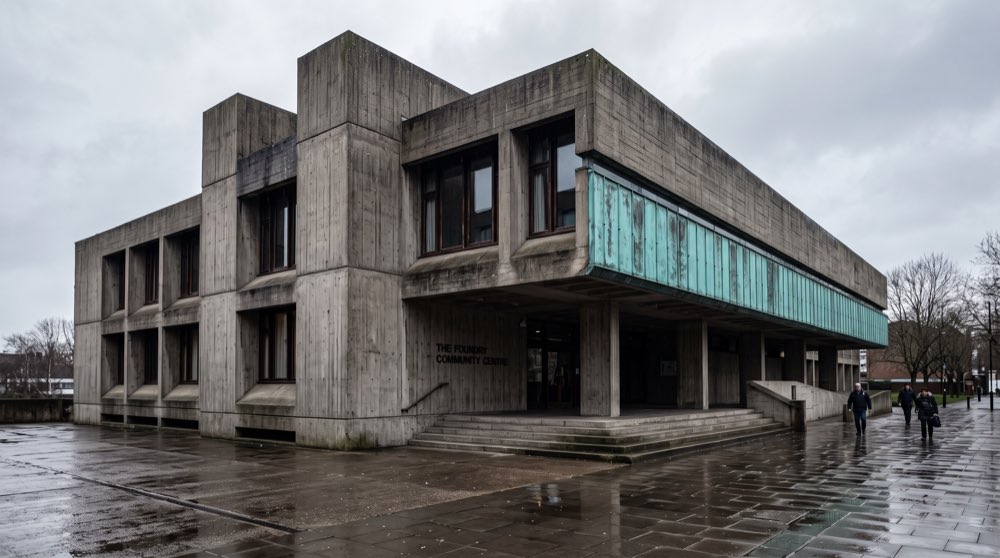
Room structure, sofa count and vase placement should remain consistent. The sofa edge shifting relative to the window is allowed because the viewpoint changes. Watch the architecture study to practise checking vertical lines and spatial scale. Do not demand fixed pixels: a moving camera naturally changes occlusion and perspective. The question is whether those changes remain coherent with the same room.
CHECK THISWatch architecture and inspect its edgesName two structures to preserve and one change that the camera movement should produce.
- 03
Turn the brief into three review questions
Replace “stable space” with “does the sofa and vase count stay consistent?” Replace “natural lateral motion” with “does foreground displacement relative to the window remain continuous?” Replace “a pleasing ending” with “is the window on the right with a sofa corner still visible?” These questions test structure, process and ending separately. Reference footage aids observation; it does not reveal undisclosed source settings or guarantee reproduction.
CHECK THISPractise spatial observation with the interiorEach question points to an object, position or change in the frame instead of a vague aesthetic judgment.
- 04
Watch the entire clip before pausing
Watch once at normal playback speed for pacing, then inspect the beginning, middle and end. Pausing helps with structure but cannot replace continuous viewing: position jumps, speed changes and brief extra objects may be clearer in motion. Practise the same method on the macro study by observing stem contact and subject position. Use the actual video player controls; this process does not assume automatic frame selection or automatic acceptance testing.
CHECK THISPractise continuity checks with the macro studyYou have watched the motion and inspected at least three stages, rather than judging only the poster.
- 05
Keep what passed and ask one new question
If the room holds together but the ending crops away the sofa, revise the ending visibility requirement. If geometry changes, reduce object count and simplify the camera path before adding more dramatic lighting. Reuse the input from Creations and make the observed problem the next version’s single adjustment. Saving or bringing in a prompt only manages a text draft; review workspace settings and estimated credits before deciding to generate again.
CHECK THISOpen video work to reuse and reviseThe next version addresses one observed issue and retains the descriptions that already worked.
What to check and change
Furniture count changes during the move
Reduce furnishings and overlapping layers, and name the position of one sofa and one vase. Check whether the change happens near an occlusion. Keep the light and simplify the path or set in the next version.
The ending jumps to another viewpoint
Make the ending composition a continuation of the same camera path, retaining the window and sofa as shared landmarks. Remove phrases such as “then a close-up” that imply a cut and review the whole sequence again.
Attractive light obscures the intended move
Compare the near sofa edge with the distant window. If only light patterns change and the expected parallax is absent, state the lateral direction and constant view height in a separate camera sentence before replacing the room.
Compare these real studies
Play each study, then return to the checks. These references support visual observation; the lesson brief is a new creative suggestion, not the source generation record.

Keep going in this direction
 IMAGE
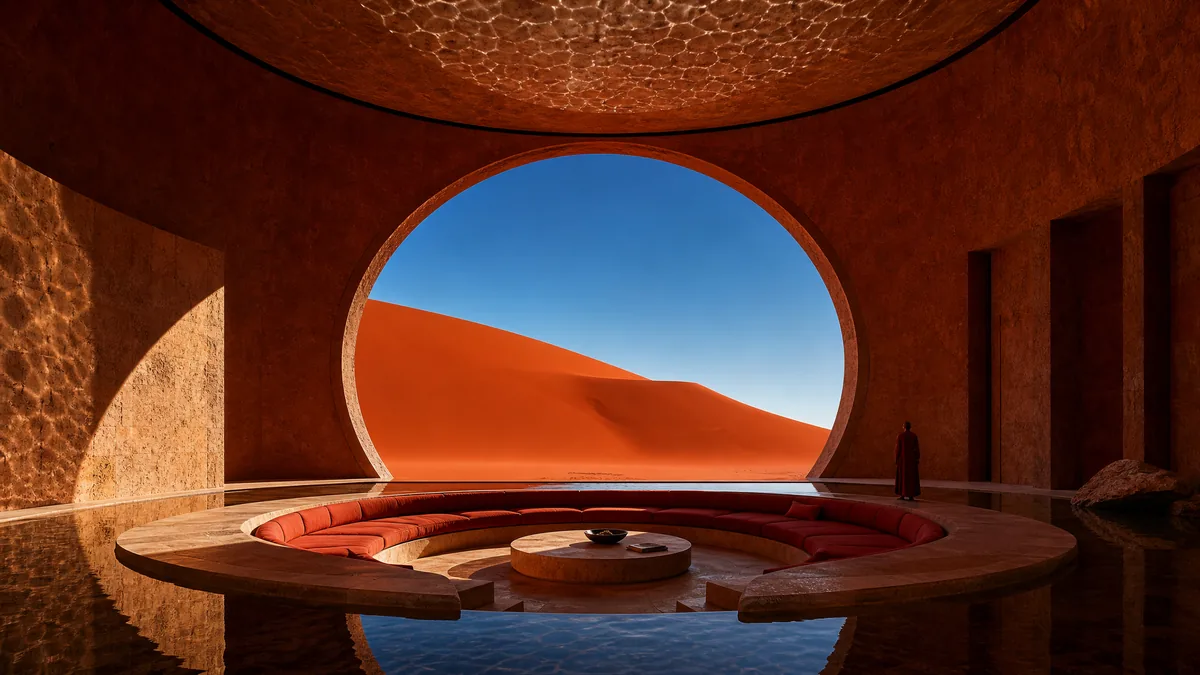
IMAGEBuild an architectural scene with space and light
Move from spatial relationships to material detail in a concept image with readable scale.
 VIDEO
VIDEOWrite one action as one continuous shot
Separate subject motion from camera motion and start a coherent short shot from text.
 VIDEO
VIDEOWho is moving? Separate subject and camera motion
Use landmarks in street and interior footage to describe action, viewpoint and framing separately, then judge each in the result.